
Transparency and Accountability in Public Procurement
N. O. Chibundu, B. U. Dike, U. Chris-Ejiogu
Pages 14-23 Read ArticleA scholarly platform for interdisciplinary research in governance, procurement, sustainability, education, development studies, environmental management, logistics, and the wider social sciences.
Manuscripts pass through editorial screening, similarity checks, and peer-review evaluation before publication. This keeps the journal focused on originality, clarity, citation quality, and academic contribution.
Volume 3, Issue 1 (2026)
N. O. Chibundu, B. U. Dike, U. Chris-Ejiogu
Pages 14-23 Read ArticleMohammed G. Yusuf et al.
Pages 35-49 Read ArticleEssor Gospel Chisa, Mercy Douglas
Pages 186-193 Read ArticleAJSS is guided by scholars and researchers committed to rigorous peer review, ethical publication practice, and credible social science communication.
View Editorial BoardAJSS maintains strict publication ethics, double-blind peer review, originality checks, conflict-of-interest disclosure, and responsible scholarly publishing standards.
Authors should prepare manuscripts according to AJSS formatting, citation, originality, abstract, keywords, and submission requirements.
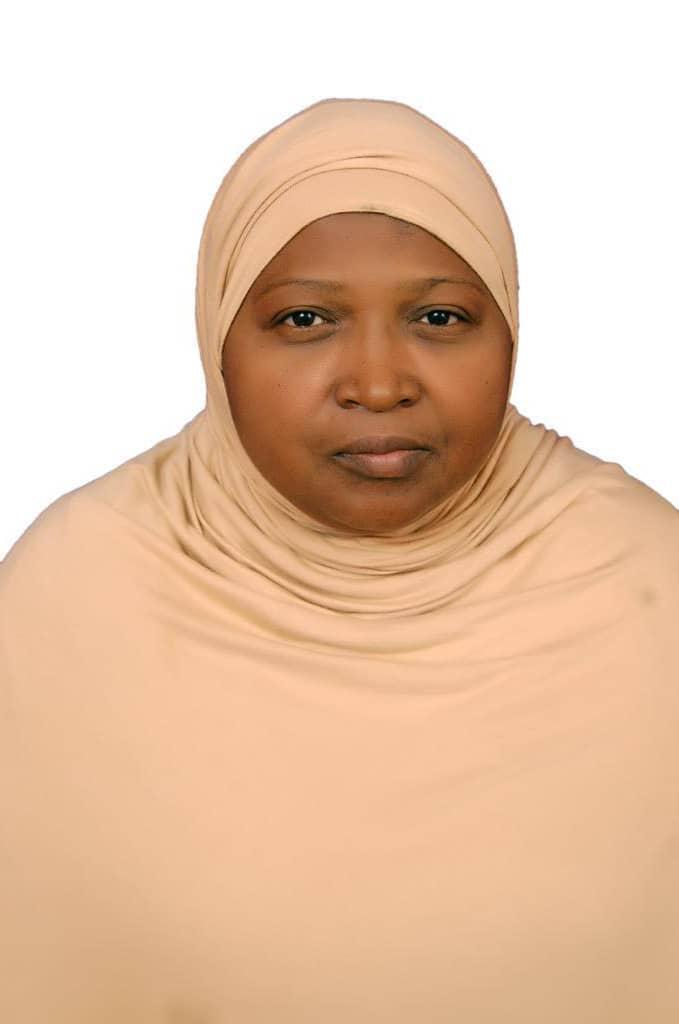
Professor Aishatu Abdu-Ismail is a seasoned academic and multidisciplinary development and policy expert with over 30 years of experience in teaching, research, and public service. Her experience spans policy studies, gender equity, education reform, governance, conflict resolution, and public policy across Nigeria and West Africa. As a professor of political science, she has a proven track record in leading research, facilitating high-level trainings, and advising governments, donors, and civil society organizations. Skilled in policy analysis, strategic planning, stakeholder engagement, and evidence-based advocacy. In addition to development work, she specializes in Policy Studies, State and Governance in Islam, and Gender Studies, with a career marked by impactful leadership and academic excellence.
She has led major initiatives in education reform, gender equity, and youth empowerment across Nigeria and West Africa. Her work has shaped policies on girls’ education, gender-based violence, and inclusive governance, with support from global organizations like UNICEF, DFID, UNDP, ECOWAS, and the Gates Foundation.
Key Strengths
· Leadership: Former Director, Centre for Gender Studies; Head of Department; Commissioner for Higher Education
· Policy Expertise: Led and advised on national and state-level policy reviews, including education, gender, and governance
· Research Excellence: Principal Investigator and Consultant on over 25 impactful studies and assessments
· Global Engagement: Certified in project management, advocacy, and AI from institutions in the UK, US, South Africa, Finland, and Turkey
· Capacity Building: Trainer and facilitator for government, civil society, and international development programs
Selected Publications & Research Projects
· Youth Bulge, Inequality, and Digital Technologies: A socioeconomic analysis of youth resentment and social unrest in Northern Nigeria
· Gendered Perceptions of GBV and Decision Making in Schools: British Council study in Lagos and Kano States
· Girls for Girls (G4G) Intervention Review: UNICEF-supported evaluation in Bauchi, Katsina, and Zamfara
· Policy Review on Women’s Economic Empowerment: UCSD & Gates Foundation project
· National Gender Policy in Basic Education: Lead resource person for Federal Ministry of Education & UNICEF
· Teacher Recruitment and Deployment in Kano State: DFID-supported research under EDOREN
· Inclusive Education Reform: Consultant on SBMC policy review in Kano State
Her work has directly influenced policy and practice in education, gender equity, and youth development across Nigeria and the ECOWAS region. Professor Ismail is widely respected for her ability to bridge academic insight with practical solutions, especially in advancing gender equality and inclusive development.
Stay updated on our news and events! Sign up to receive our newsletter.
